TR
TR EN
EN DE
DE RU
RU AR
AR

Not every massage is the same experience wrapped in the same word. Someone who wants a knot in their shoulder worked loose and someone who just wants a quiet hour of stillness are both asking for "a massage" — but they need very different techniques. One of the questions we hear most often at the salon is simple: "which massage is right for me?" Here is our practical guide to the main massage types we offer in İskenderun, what each one actually feels like, and how to pick the right one.
Classic (Swedish) Massage: The Natural Starting Point
Classic massage is the foundation most other techniques build on: long strokes, kneading and circular movements applied at light-to-medium pressure, aimed at whole-body relaxation rather than working out specific problem spots. If this is your first massage, or you simply need to switch off after a demanding week, classic massage is a safe and comfortable place to start. Sessions usually focus on the back, shoulders, legs and neck, and your therapist will ask beforehand which areas need more attention.
Aromatherapy Massage: Where Scent Meets Touch
Aromatherapy massage layers classic technique with essential oils — lavender, orange, eucalyptus and similar botanicals. Because our sense of smell is closely tied to mood regulation in the brain, this style tends to deepen the feeling of relaxation beyond what touch alone provides. Guests who struggle to unwind before sleep, or who spend most of the day mentally "scattered" in front of a screen, often choose our aromatherapy massage. You can choose the oil together with your therapist before the session, based on how you're feeling that day.
Deep Tissue Massage: For Chronic Tension
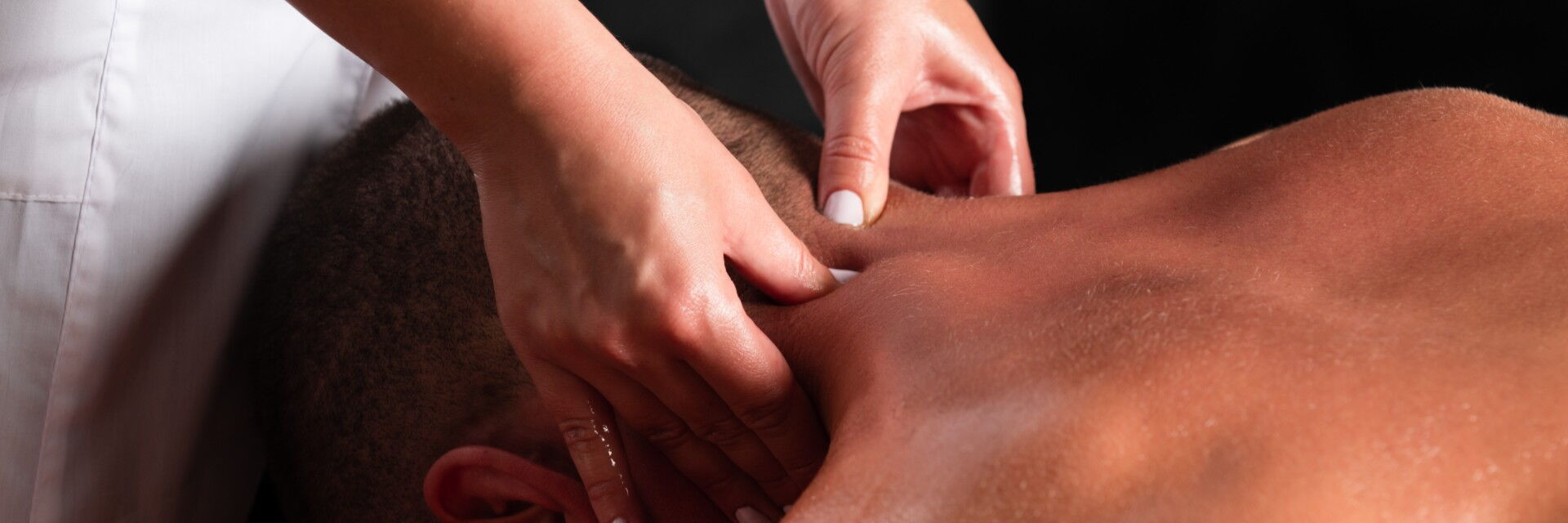
Sitting in the same position for hours, repetitive movement, or an old sports injury can leave tight knots buried deep in the muscle fibre. Deep tissue massage uses slow, targeted pressure to reach those layers directly. Because it's more intense than a classic session, mild soreness afterward is normal and usually fades within a day or two. Your therapist increases pressure gradually and checks in with you throughout — never let it cross into pain, since honest feedback is what makes the session effective. If you carry chronic tension in the neck and shoulders, our deep tissue massage page has more detail on the technique.
Hot Stone Massage
Heated basalt stones are used both as tools in the therapist's hands and placed at specific points on the body, combining the effect of warmth with classic massage strokes. The weight and heat of the stones let the therapist work deeper with less physical pressure, which many guests find especially soothing. It's a popular choice in colder months, when muscles tend to feel more "guarded" from the cold.
Thai Massage: Focused on Stretch and Movement
Unlike the other techniques, Thai massage skips the oil entirely — it's performed on a floor mat, fully clothed, using assisted stretches and pressure-point work. The movements resemble yoga postures and aim to support joint mobility and flexibility rather than pure muscle relief. Worth trying if you want a table-free experience, or if what you're after is feeling "opened up" rather than simply loosened.
Sports Massage: For Active Lifestyles
Guests who train regularly often choose sports massage before or after a workout, either to prepare the muscles or support recovery. Technically it's close to deep tissue, but the focus stays on performance-related muscle groups — legs, back, shoulders. It's a targeted approach aimed at reducing post-training muscle fatigue.
How to Choose the Right Massage for You
If you're not sure where to start, these quick questions can help:
- Just want to relax? Classic or aromatherapy massage is a solid starting point.
- Constant tightness in one spot — neck, back, lower back? Deep tissue massage targets that area directly.
- Muscles feel tense from the cold? Hot stone massage pairs warmth with touch.
- Flexibility and range of motion are your priority? Thai massage is worth trying.
- Training regularly and want faster recovery? Sports massage is the targeted option.
Still unsure? Have a short chat with your therapist before the session — the technique can be adjusted to your needs on the day.
Pairing Massage with a Turkish Bath
Muscles respond better to touch once they're already warm, which is why most of our guests take a short Turkish bath break before their massage — the steam loosens the muscles first, noticeably deepening the effect of the session that follows. If you're short on time, massage alone is still a complete experience; what's "ideal" really depends on your schedule that day.
Frequently Asked Questions
This is my first visit — how do I decide in advance?
You don't have to decide in advance. A short conversation at reception helps us figure out what you need together. If you're unsure, starting with a classic massage is a safe choice, and you can explore other techniques on future visits.
Is it normal to feel sore after a massage?
Mild soreness after a deep tissue or sports massage session is common and usually resolves within a day or two on its own. If discomfort persists or feels more than mild, please let us know.
How often should I book a session?
It depends entirely on your needs — some guests come monthly for general maintenance, while regular athletes may prefer more frequent recovery sessions. Your therapist can help you find the right frequency during your first visit.