TR
TR EN
EN DE
DE RU
RU AR
AR
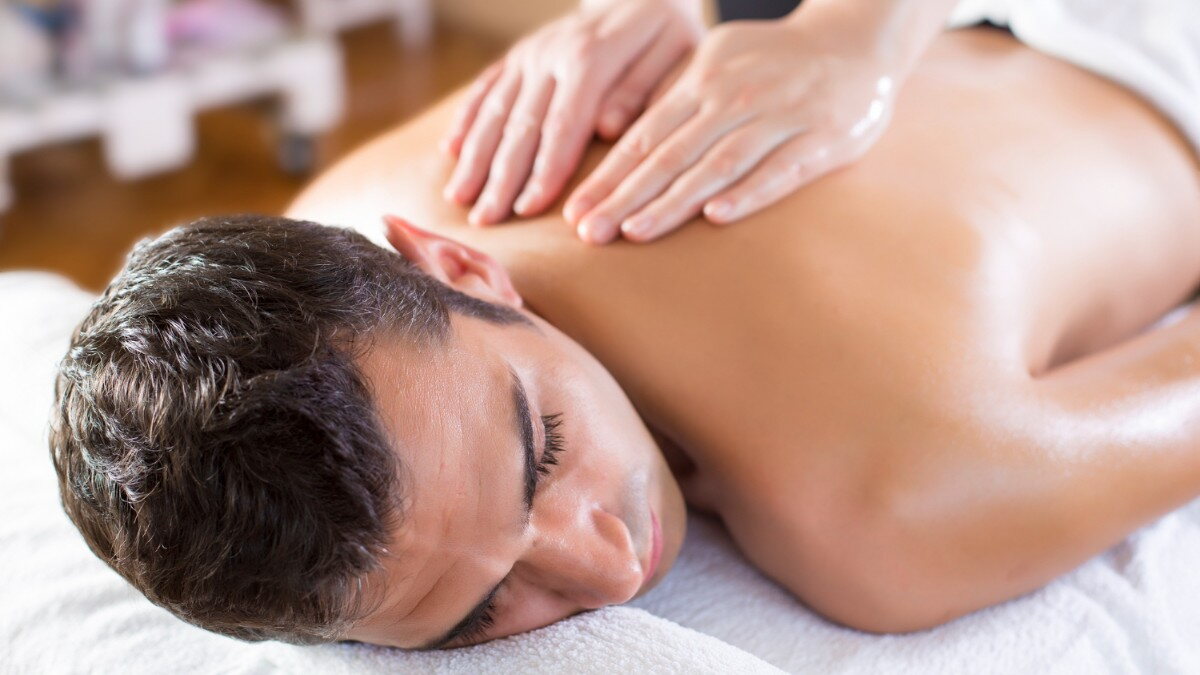
Stress tends to build up without you noticing. A shoulder that's been tight for so long you can't remember when it started, trouble winding down at night, that constant feeling of "never quite catching up" during the day — these can all be small signs of load the body has been quietly carrying. A spa visit won't erase that load in one session, but as a regular habit it can help the body and mind relearn how to slow down. Here's how spa practices play into stress management, and how you can build this experience for yourself in İskenderun.
How Stress Builds Up in the Body
Long-term stress usually shows up first in the shoulders, neck and jaw — places we tend to tense without realising it. Over time that tension becomes "normal", and you stop noticing you're tense at all; what's left is just a general sense of fatigue or unease. Touch-based treatments are a practical way to notice and release that unconscious tension — often the first moment you truly feel how tight an area is comes when a therapist's hands land on it.
What a Spa Environment Does for the Nervous System
Warmth, quiet, familiar scents and a slow pace — the environment itself sends the body a signal that it's safe to slow down. That can help shift you out of the constant alertness of daily life and into a more restful state. Many of our guests tell us the benefit isn't only the technique applied, but the hour or two of simply not having to keep up with anything.
What Is Anti-Stress Massage?
Our anti-stress massage uses slower, more continuous movements than classic technique — the goal isn't to work the muscle tissue hard, but to calm the nervous system. Sessions are usually held in a quiet room, with low light and a steady rhythm. If you're going through a demanding period, or just want to switch your mind off for a while, this is a good option.
Breath and Slowing Down: The Hidden Rule of a Spa Day
It's common to catch yourself holding your breath during a session, especially when you're trying too hard to "relax". Focusing instead on your therapist's voice and the quiet of the room, letting your breathing settle into its own rhythm, noticeably deepens the effect of the session. Putting your phone away and giving that hour fully to yourself, without rushing, matters just as much as the technique itself.
The Long-Term Value of Regular Visits
A single spa session is relaxing on its own, but most of our guests say the real difference shows up with regular visits. A routine repeated monthly or every two weeks can help the body notice tension before it builds up, and recover from it faster. Treating it as part of ongoing maintenance — much like exercise or a balanced diet — rather than an occasional treat tends to be a more sustainable approach for most people.
A Turkish Bath for Mental Reset
In managing stress, a change of environment matters almost as much as massage itself. A short break in the Turkish bath, with its heat and steam, can create a real sense of disconnecting from your day-to-day surroundings. Especially after a demanding work week, a short hamam session before your massage warms the body and helps separate your mind from the rush of the day.
Practical Tips for Busy Professionals
Constant screen time and running from meeting to meeting is exactly the kind of pace that lets stress accumulate unnoticed. If that sounds like your week, blocking off a fixed weekly or biweekly spa slot means adding time that belongs only to you. Not filling that hour with anything else, turning off notifications, and arriving a little early instead of rushing in makes a noticeable difference to how much you get out of the session.
Building Your Own Spa Routine
- Pick a fixed day or time: A scheduled slot, rather than a random one, makes consistency much easier.
- Try pairing hamam and massage: Warmed muscles respond better to touch, noticeably deepening the effect of the session.
- Plan the time after, too: A short rest instead of rushing back into work extends the relaxed feeling a little longer.
- Match frequency to your needs: Some guests prefer monthly, others every two weeks — the "right" rhythm is whatever fits your life.
About Our Spa Services
Our spa section is built so you can combine anti-stress massage, hamam and sauna into a single visit if you'd like. Whether you choose one treatment or a longer program combining several, we build the session around what you need that particular day.
Frequently Asked Questions
Which treatment should I try for stress?
For most guests, pairing anti-stress massage with a short hamam break is a solid starting point. If you're unsure, a short chat with your therapist before the session can point you toward what fits your day.
How often should I book spa visits?
It depends entirely on your own pace — every two weeks during busy periods, or monthly during quieter ones, works well for most of our guests.
Can I feel a difference after just one session?
Many guests report feeling physically lighter and mentally calmer after a single session, though the more lasting difference usually comes with regular visits.